 (Image via
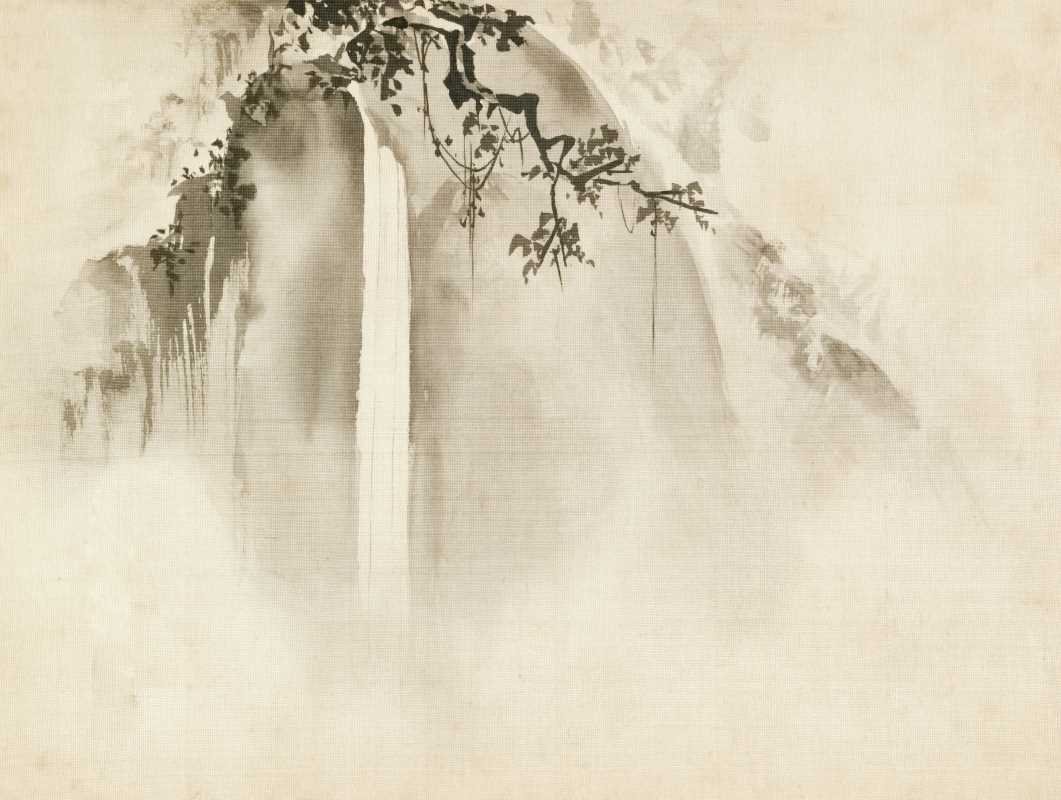
Artists throughout history have admired sumi-e for its graceful approach to Japanese ink painting, where simplicity and harmony shape each composition. This timeless art form relies on delicate brushwork and careful ink control, allowing you to express vivid landscapes or tranquil scenes with only a handful of purposeful strokes. By practicing sumi-e, you will develop a deeper appreciation for the subtle nuances that define this tradition and discover how each brushstroke carries intention and meaning. This introduction offers clear guidance, encouraging you to build confidence as you explore sumi-e techniques and find satisfaction in every stage of your creative journey.
You don’t need a studio or years of training—simple tools and clear guidance set you on a path to expressive ink work. As you progress through these steps, you gain insight into core techniques and build toward compositions that capture the spirit of sumi-e painting.
Materials and Workspace Setup
A tidy, dedicated space encourages focus and freedom. Start by clearing a surface near natural light or a soft, diffused lamp. Place a protective mat or newspaper beneath your workspace to catch drips and keep the area organized.
- Ink stick and ink stone (or bottled sumi ink for ease)
- Hake brush or soft bamboo brush
- Rice paper or heavyweight calligraphy paper
- Small dish of water and paper towels
- Optional: felt mat to prevent paper slip
Lay out each item within arm’s reach so you maintain a steady flow. Keep paper towels handy to adjust ink density and control unexpected blotches. A clear setup reduces distractions and helps you focus on your brushwork.
Essential Brush Strokes and Ink Control
Effective sumi-e relies on mastering a handful of strokes that form the foundation of more complex forms. Practice each stroke to develop the muscle memory needed for fluid, confident painting.
- Dot Stroke: Load the brush tip with ink and tap lightly for delicate buds, raindrops, or texture dots.
- Vertical Stroke: Hold the brush vertically, start strong at the top, then release pressure while drawing down to produce a tapered line.
- Horizontal Stroke: Angle the brush slightly, sweeping side to side with even pressure, perfect for branches or horizons.
- Hook Stroke: Begin with a vertical line, then flick the brush at the end for playful hooks in stems or leaves.
- Wash Stroke: Dip the brush in water, then lightly load with ink to create shading and gradient effects.
Mix ink and water on your palette to allow you to shift between bold, black lines and subtle gray washes. Start with small ink-to-water ratios and adjust until you achieve smooth transitions on paper. Keep testing on scrap pieces—consistent practice leads to more reliable results.
Simple Ink Techniques for Beginners
Begin your first composition by combining two or three strokes. Sketch a bamboo shoot: use vertical strokes for stalks, hook strokes for nodes, and dot strokes for leaves. This exercise familiarizes you with rhythm and balance.
Next, explore light and dark contrasts. Create a wash background by applying a few brushfuls of diluted ink, then overlay crisp strokes once it dries. This brings depth to simple scenes.
By linking the timeless elegance of Expressive Sumi-e Art techniques with focused drills, you advance quickly from basic marks to engaging compositions. Track your progress in a sketch journal to see how each session builds your skill set.
Practice Exercises and Variations
- Stroke Sequence Drill: Practice five of each essential stroke, adjusting pressure and speed.
- Contrast Study: Paint three panels—one in pure black, one in light gray wash, and one mixing both—to observe tonal range.
- Negative Space Challenge: Outline a simple shape (like a circle or leaf) by painting around it instead of within it.
- Rhythm Composition: Create a short scene (two bamboo stalks and a stone) using no more than ten brush touches.
- Brush Swap Experiment: Alternate between a soft Hake brush and a firm round brush to feel the difference in line quality.
Rotate through these practices weekly to build confidence and prevent stagnation. Each variation targets a specific skill, helping you refine control, speed, and composition sense.
Tips for Developing Your Own Style
Reflect on artists you admire—notice how they play with line thickness, spacing, and empty areas. Try adapting a signature flourish from each artist, then blend these elements into your own brush vocabulary.
Keep a visual inspiration board: cut out photographs, prints, or nature studies that excite you. Refer to them when you paint, letting them spark new ideas. Over time, you mix traditional sumi-e sensibility with personal expression, guiding you to unique interpretations and themes.
Maintain a consistent practice, stay curious, and learn from each new mark. Dedication and exploration will help your sumi-e skills become more expressive.
.jpg)