 (Image via
Creating a unique art doll begins with gathering a mix of fabrics, paints, paper, clay, and surprising textures. Each material plays a part as the doll takes shape, with personality shining through every curve, hue, and detail. Mixing different media allows you to shape a figure that reflects your style, whether you prefer something whimsical, graceful, bold, or dreamlike. As you work through each step, you experiment with new techniques, discover unexpected combinations, and find joy in the hands-on process. Every stage of crafting brings fresh excitement, leading to a finished doll that feels truly special and personal.
You don’t need formal training—just a willingness to experiment and a dash of bold spirit. You discover how to transform a simple cloth or plastic base into a stunning art piece. Along the way, you learn practical tips on choosing materials, sculpting features, applying layers of color, and sealing your work for lasting vibrancy. Let’s turn scraps and tools into a personalized art doll that sparks joy.
Gathering Materials and Tools
- Base doll form: soft cloth doll or blank plastic figure
- Air-dry clay or Apoxie Sculpt for sculpting details
- Acrylic paints in varied colors, including metallics
- Fine and medium brushes (synthetic bristles work well)
- Textile scraps, lace, ribbons, and tulle
- Paper clay or lightweight modeling paste for texture
- Clear sealant spray or matte varnish
- Glue: E6000 for strong bonds, PVA for fabric
- Tools: craft knife, sculpting tools, fine sandpaper
Gather materials that excite you—don’t shy away from leftovers and thrift-shop finds. Sourcing unusual fabrics or recycled materials adds character. Keep items organized in small bins or trays so you can play with combinations as ideas strike.
Stock up on tools that suit your budget. A basic sculpting set and a variety of brush sizes offer big returns. If you invest a little in quality adhesives, you’ll avoid frustration when delicate pieces need secure hold. Now that your toolkit stands ready, let’s dive into shaping your base.
Preparing Your Doll Base
Begin by inspecting your base form. If it’s a cloth doll, wash and press the fabric to remove dirt and wrinkles. For rigid plastic figures, gently sand the surface to help paint adhere. Wipe away dust with a soft cloth or compressed air.
Next, plan where you’ll add sculpted pieces—perhaps a stylized nose, raised eyebrows, or wing-like shoulder details. Mark lightly with erasable pencil or chalk so you maintain symmetry. Avoid detailing both sides at once; work on one area, let it set, then mirror on the other side.
Mixed Media Techniques
- Clay Accents: Roll air-dry clay into thin sheets or coils. Shape ears, horns, or ornamental collars. Press pieces gently onto the doll base. Smooth edges with a damp brush and let dry fully before painting.
- Fabric Layers: Cut textile scraps into irregular shapes. Apply PVA glue in patches and press fabrics on top, creating a tapestry effect. Overlap edges to avoid harsh lines.
- Paper and Paste Textures: Spread modeling paste or paper clay in thin layers using an old credit card. While still wet, press tissue paper or lace into the surface. Let it dry, then sand lightly to soften hard ridges.
- Paint Glazes: Dilute acrylic paint with water to achieve a translucent wash. Apply multiple layers, letting each dry. Use glazes on raised textures to highlight depth. Dry-brush metallic paint on edges to create a subtle shimmer.
- Mixed Finishes: Combine matte and glossy areas. Mask small sections with painter’s tape, spray a gloss coat, then remove tape to reveal contrast. This interplay makes features pop under different lights.
Experiment with each step on scrap fabric or paper first. That way, you fine-tune thicknesses, drying times, and color blends before touching your doll. Pay attention to how layers build up and what order suits your vision.
Designing and Personalizing Features
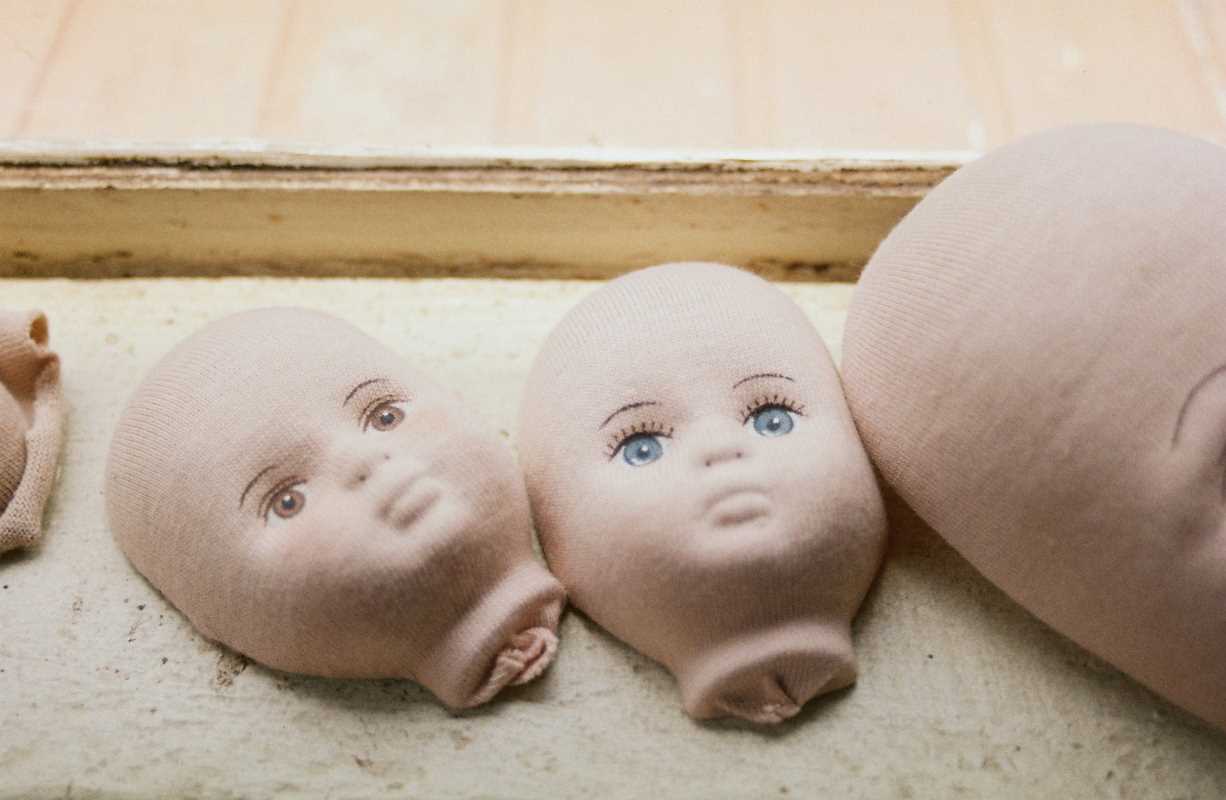
Focus on the face to convey expression. Sketch eye shapes and mouth curves on paper. Transfer them lightly onto the doll using a graphite pencil. Then, use fine brushes or markers to add pupils, eyelashes, and lips. Choose bold contrasts or soft gradients depending on the mood you want.
Body details also amplify personality. Wrap thin wire around limbs to create sculpted jewelry, or glue small beads and charms. Stitch or glue miniature pockets or pendants. You might attach a tiny book made from folded paper and cloth or craft a faux leather belt. Each addition tells part of your story.
Finishing Touches and Sealing
Once paint and glue layers dry, inspect the doll under bright light. Spot any uneven textures or loose edges. Fill gaps with a thin bead of clay or modeling paste, then sand smooth. Touch up paint as needed to restore color continuity.
Choose a final sealant that matches your finish goals. A matte varnish gives a soft, velvety look, while gloss spray adds a polished sheen. Hold the can 10–12 inches away and apply light, sweeping coats. Let each coat dry fully before the next. This step protects delicate details and keeps colors vivid.
Fix Problems and Get Tips
- If clay cracks during drying, moisten it with a fine mist of water and smooth cracks with your finger or a damp brush.
- When paint pools in crevices, lift excess with a dry brush or gently wipe with a paper towel before it dries.
- To prevent fabrics from fraying, apply a thin line of PVA along cut edges or use fray-preventing tape.
- If adhesives turn yellow over time, choose acid-free glues and test a small area before full application.
- Store your doll away from direct sunlight and extreme humidity to prevent fading and mold growth.
Incorporate these fixes into your workflow, so challenges turn into quick solutions rather than setbacks. You’ll build confidence and speed as you apply tips on the go.
Using mixed media techniques, you can create unique art dolls from simple materials. Enjoy experimenting and refining your skills with each step, from sculpting to sealing.
.jpg)