 (Image via
Experiencing life in a different culture opens your mind and introduces you to meaningful relationships you might never have formed otherwise. Select an exchange program that aligns with your interests—be it cooking, art, or learning a new language—and take part in activities that immerse you in everyday life, not just tourist attractions. By participating in local routines, joining in on celebrations, and observing traditions firsthand, you gain a deeper understanding of the community. These personal encounters offer valuable insights that you won’t find in any guidebook, making your time abroad truly unforgettable and enriching.
Practical preparation and genuine curiosity drive the most meaningful cultural experiences. At each stage—from planning to reflection—you’ll develop skills and stories that shape your outlook. This guide provides clear steps and fresh ideas to help you make the most of every moment abroad.
Planning Your Cultural Exchange Adventure
Effective planning sets a strong foundation for an unforgettable journey. Clarify what you want to gain: language fluency, cooking techniques, or an in-depth study of traditional crafts. Write down three main goals to guide your program choice and daily activities.
Gather details on visa requirements, health precautions, and local customs. Connecting with past participants on forums or social media groups can give you insider advice on housing, transport, and cultural etiquette.
- Research programs that match your passions, such as Erasmus+ for students or community homestays through Couchsurfing.
- Make a checklist of application deadlines, required documents, and language tests.
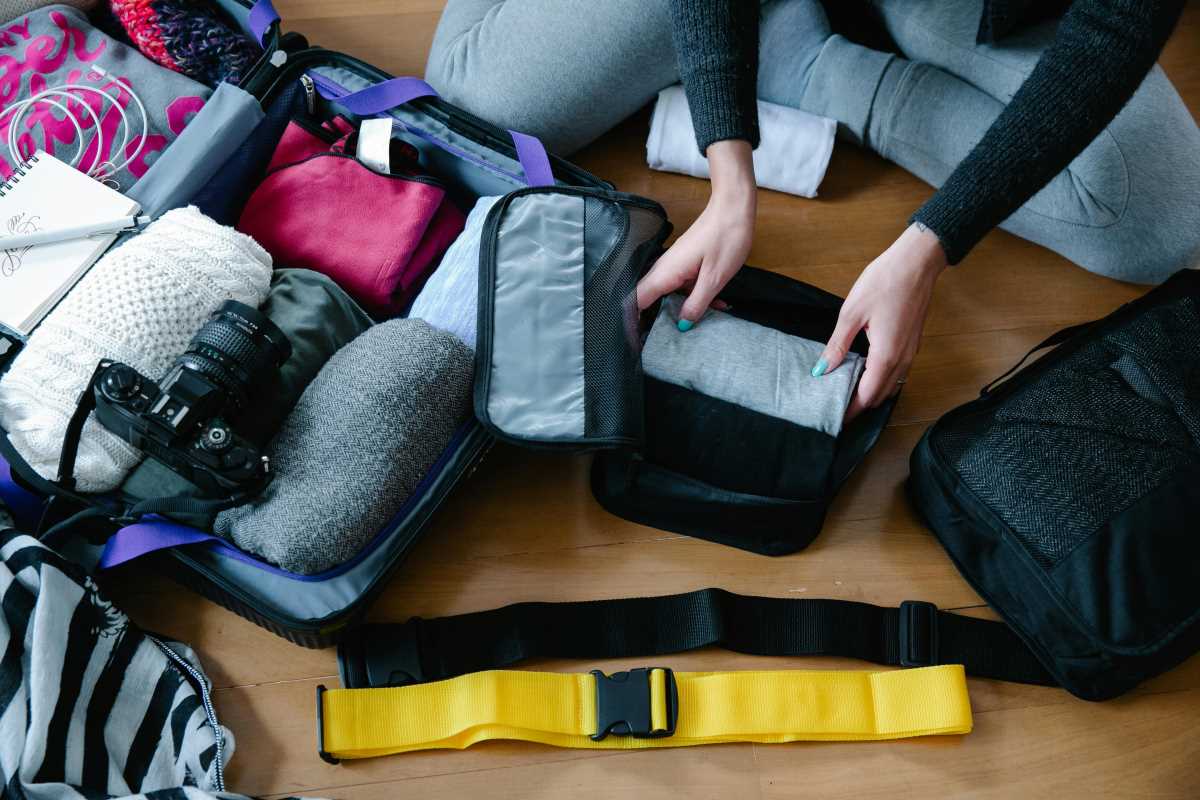
- Create a timeline that plans out packing, booking flights, and confirming accommodations.
- Reach out to alumni via email or video call to ask about their favorite lessons and challenges.
- Compile a digital folder with scans of your passport, insurance policy, and emergency contacts.
Funding and Budget Strategies
Finding affordable ways to cover expenses often opens new opportunities. Consider micro-internships or short-term work exchanges in host families, where you teach your native language in exchange for room and board. Local farms, art studios, or youth centers sometimes arrange such programs.
Crowdfunding platforms let you share your goals with friends and followers. Craft a concise message, include vivid photos, and explain how you’ll give back at home—perhaps by hosting a cultural fair or writing a blog series. Small sponsorships from community organizations or language schools can add up.
Building Cultural Awareness Before You Go
Entering a new environment with empathy and knowledge improves every interaction. Start by immersing yourself in local media—read blogs, watch cooking shows, or listen to regional podcasts. That background helps you ask informed questions and recognize subtle social cues.
Practice essential phrases and etiquette to show respect from day one. Learn common greetings, polite gestures, and dietary customs to avoid unintentional faux pas.
- Join an online language exchange to practice conversation with native speakers
- Attend a cultural workshop at a community center or museum in your area
- Read a novel or watch a film set in your host country to understand everyday life
- Try cooking a traditional dish using authentic recipes or video tutorials
- Follow regional news outlets on social media to stay updated on social events
Checking off these activities builds confidence and helps you form meaningful connections from the first hello.
Maximize Your Engagement During the Program
Once you arrive, immerse yourself by volunteering at local events, performances, or language cafés. Volunteering at a neighborhood festival or school opens doors to friendships and new skills. You’ll hear stories that provide quick insights and expand your network.
Invite hosts or classmates to share their favorite local spots. Offer to teach a mini-lesson in English, music, or any skill you excel at. Cultural exchange thrives on two-way teaching and learning. When you lead a workshop on calligraphy or soccer drills, you spark lively conversations that deepen your connections.
Reflect on Your Experience
Capture memories through journaling or short videos to process your growth as you travel. Each evening, note one moment that surprised you and one lesson you’ll carry home. Over time, you’ll notice patterns in how you adapt and what excites you most.
Schedule a virtual potluck with fellow participants or host family members after you return. Share photos, recipes, or music to keep the exchange alive. Organizing a small exhibit at your local library or school lets you showcase crafts or photographs while thanking everyone who supported your journey.
Approach each phase with curiosity and practical steps to gain skills, friendships, and memories that last beyond your time abroad. Pack your bags and an open mind to prepare for meaningful change.